Two Is Better Than One: How Emily Bergl Turns Every Scene Partner Into a Co-Star Worth Watching

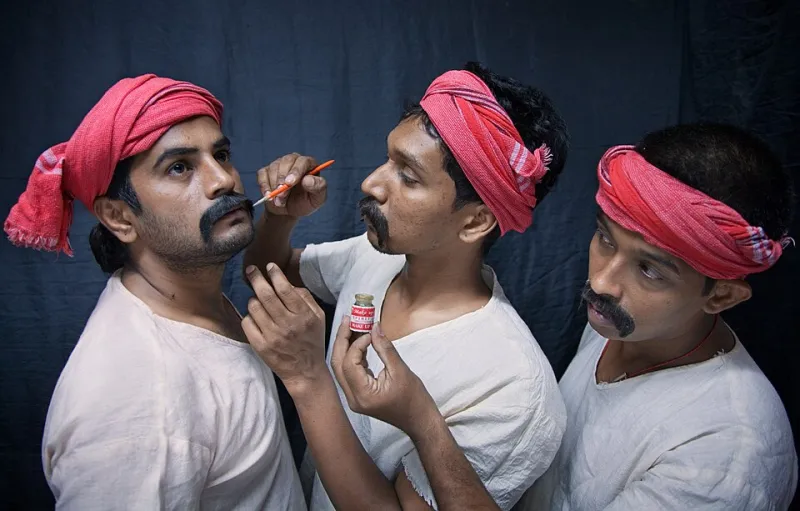
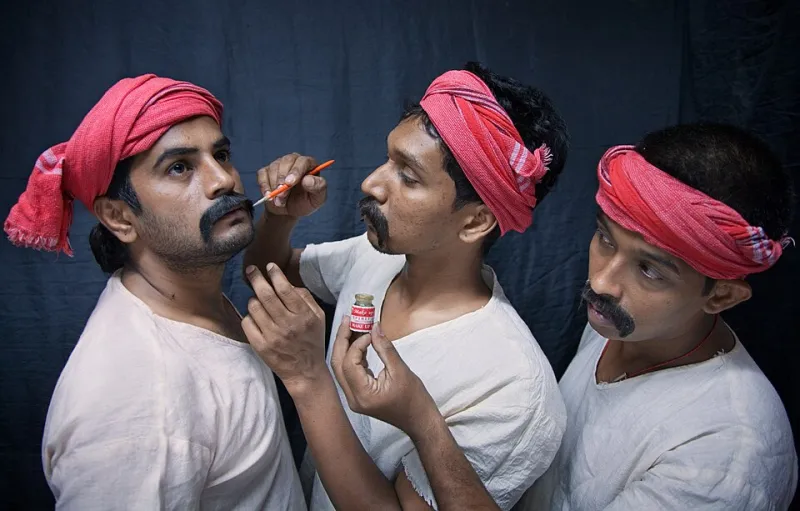
Photo by Photo by Hossein Nasr on Unsplash on Unsplash
There's a specific kind of magic that happens when two actors genuinely listen to each other. Not just waiting for their cue, not just hitting their mark — actually listening, reacting, building something together in real time. It's rarer than it sounds. And it's something Emily Bergl has been doing, almost invisibly, for the better part of three decades.
We talk a lot about individual performances here at Emily Bergl Online, and rightfully so. But today we want to zoom out just a little and look at something that doesn't get enough airtime: the way Bergl operates in relation to the people sharing the frame with her. Because if you track her career closely, a pattern emerges that's hard to ignore — she makes her scene partners better. Every single time.
What "Chemistry" Actually Means
The word gets thrown around constantly in entertainment coverage, usually as a vague compliment that doesn't mean much. "Great chemistry." Sure. But what does that actually look like in practice?
For Bergl, it seems to start with a kind of radical attentiveness. Watch her in almost any two-hander scene and you'll notice something: she's never performing at the other actor. She's performing with them. There's a responsiveness in her work that creates the impression of a genuine relationship unfolding rather than a scripted exchange being executed. It sounds simple. It is genuinely hard to pull off consistently.
Acting teachers will tell you that real listening on screen is the difference between a scene that works and a scene that lands. Bergl's scenes tend to land.
The Ensemble Instinct
One of the more fascinating things about Bergl's career is how seamlessly she integrates into ensemble casts without ever disappearing into them. That's a trickier balance than it looks. In a large cast, the temptation — especially for actors who don't want to get lost — is to push harder, to assert presence in ways that can read as scene-stealing. Bergl doesn't do that.
Instead, she seems to operate on a kind of group frequency. She finds the connective tissue between her character and everyone else in the room, and she plays that — the relationship, the history, the unspoken tension or warmth — rather than just playing her individual character in isolation. The result is that ensemble scenes feel more cohesive when she's in them. Other actors seem to sharpen up. The whole thing breathes a little better.
You can see this clearly in her television work, where ensemble dynamics are everything. The shows that have brought her back — and there have been several — tend to do so because she slots back into the existing chemistry of a cast without disrupting it. She adds without subtracting. That's a skill that casting directors notice, talk about, and actively seek out.
Going Toe-to-Toe With Dramatic Heavyweights
Then there's the other side of the equation: what happens when Bergl is paired with a major dramatic presence, someone whose energy could easily dominate a scene? This is where things get really interesting.
Rather than receding or compensating by going bigger, Bergl holds her ground in a way that creates genuine tension and balance. She matches intensity without mimicking it. Her version of a high-stakes dramatic exchange is grounded, specific, and — crucially — it gives the other actor something to push against. The best dramatic scenes are like arm wrestling: both people have to be fully engaged for it to mean anything. Bergl is always fully engaged.
This quality has made her a reliable choice for projects that need someone who can stand in the same frame as a powerhouse performer and not get swallowed up. She doesn't need to be louder or flashier. She just needs to be present, and present is something she does better than almost anyone working at her level.
The Specificity Factor
Here's something that doesn't get discussed enough when people talk about on-screen chemistry: a lot of it comes down to specificity. Actors who bring highly specific choices to their characters — particular mannerisms, a precise emotional history, a clear sense of what their character wants in every single moment — give their scene partners more to work with. Vague performances create vague chemistry. Specific performances create something that feels real.
Bergl is a deeply specific actor. Even in smaller roles, even in guest appearances where she has limited screen time to establish a character, she arrives with choices that are fully formed. That specificity radiates outward. It tells the other actors in the scene exactly who they're dealing with, which gives them something concrete to respond to. The chemistry that results isn't accidental — it's the natural byproduct of two specific, committed performances finding each other.
Why Casting Directors Keep Coming Back
There's a reason Bergl has accumulated the kind of career she has — one built on consistent returns, long-running collaborations, and projects that seem to genuinely value her presence rather than just slot her into a role. Part of that is talent, obviously. Part of it is range. But a significant part of it, we'd argue, is this: she makes sets run better.
Actors who elevate the people around them are worth their weight in gold to a production. They reduce friction. They raise the overall quality of the work. They make directors' jobs easier because every scene they're in has a built-in level of quality that you can count on. Casting directors who've worked with Bergl once tend to want to work with her again, and the through-line in the feedback — when you read between the lines of the roles she keeps getting called back for — is almost always some version of she makes everyone else better.
That's not a small thing. In an industry where individual star power gets all the attention, the actors who quietly elevate the whole ecosystem are often the ones with the most durable careers. Bergl is Exhibit A.
The Bigger Picture
We've spent a lot of time on this site celebrating what Emily Bergl does on her own — the choices she makes, the characters she inhabits, the tonal range she brings to wildly different projects. And we'll keep doing that, because it's worth celebrating.
But this feels like the right moment to acknowledge the relational dimension of her work. Acting is, at its core, a collaborative art. The best performances don't happen in a vacuum — they happen in conversation, in reaction, in the space between two people who are genuinely present with each other. Bergl lives in that space. She's built her career there.
Next time you're watching something she's in, pay attention not just to what she's doing, but to what the scene is doing as a whole. Notice how the other actors seem to be playing at a slightly higher level. Notice how the exchanges feel less like scripted dialogue and more like something actually happening. That's the chemistry. That's the craft. And it's one of the most underrated things Emily Bergl brings to every project she touches.