Same Character, New Depths: How Emily Bergl Makes Returning Roles Feel Like Reunions With Old Friends

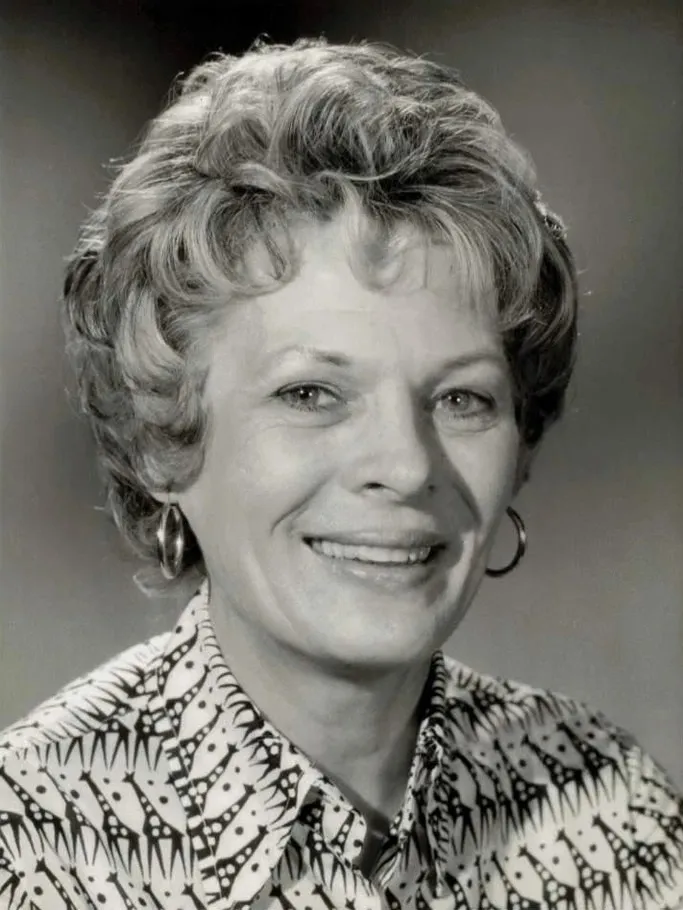
Photo: Jorge Royan, CC BY-SA 3.0, via Wikimedia Commons
There's a particular kind of acting magic that doesn't get nearly enough credit — the ability to return to a character you've already introduced to an audience and somehow make that person feel both completely familiar and genuinely new. It's harder than it sounds. Audiences think they've already figured you out. The writing may have shifted. The show's tone might have evolved. And yet, the best recurring performers find a way to honor what came before while quietly expanding the emotional landscape of who that character is.
Emily Bergl has been doing exactly that for decades. Quietly, consistently, and without a lot of fanfare.
The Problem With the "Guest Star" Model
Here's the thing about how television typically handles recurring guest roles: the system isn't really built for depth. An actor comes in, delivers their pre-written function in the story — love interest, antagonist, comic relief — and leaves. If they come back next season, the unspoken expectation is that they'll basically hit the same notes again. It keeps things tidy. It doesn't disrupt the main cast's rhythm. And it produces perfectly serviceable television.
Bergl has never been interested in perfectly serviceable.
What separates her approach is something that's hard to quantify but immediately recognizable when you're watching: she treats every return engagement as if the character has been living off-screen the entire time between appearances. There's an implied continuity in her physicality, in the way she delivers a line that references something from a previous season, in the small behavioral choices that suggest this person has had experiences the camera never captured. It's a subtle thing. Most viewers won't consciously notice it. But they'll feel it — and that feeling is what turns a recurring role into a character audiences genuinely care about.
Building a Person, Not Just a Part
Look at the work she's done in prestige drama settings and you start to notice a consistent pattern. When Bergl first introduces a character, she tends to play the surface — not superficially, but strategically. She gives the audience enough to form an impression, enough to think they understand who this person is. Then, when she comes back, she starts peeling.
This is where the real craft lives. The second appearance of a Bergl character almost always contains at least one moment where she does something slightly unexpected — a hesitation that wasn't there before, a flash of something vulnerable underneath what had previously read as confidence, or conversely, a new edge in someone who had seemed softer. These aren't jarring departures from what was established. They're logical evolutions, the kind of changes real people undergo when life happens to them.
It's worth noting that this kind of continuity work requires a level of preparation that goes well beyond simply re-reading your previous scripts. You have to understand not just what your character did, but what they've been through — emotionally, relationally — in the gaps between episodes. Bergl clearly does that homework.
The Vulnerability Variable
One of the most consistent elements across her recurring performances is how she handles vulnerability across seasons. In early appearances, her characters often carry their emotional weight internally — you can sense it, but they're guarded about it. Return engagements tend to crack that guardedness open, sometimes in surprising ways.
This isn't accidental. It reflects a sophisticated understanding of how people actually work. We don't reveal our full selves immediately, especially in high-stakes or unfamiliar situations. But over time, with familiarity, with accumulated experience, those walls shift. Bergl maps that psychological arc with genuine precision, and the result is characters who feel like they've earned their emotional breakthroughs rather than having them handed to them by a script.
That's a meaningful distinction in television, where the temptation to rush emotional payoffs is always present. She resists that temptation.
Playing Against the Audience's Assumptions
There's another layer to this worth unpacking: the way Bergl uses audience expectation as a tool. By the time a character returns for a second or third season appearance, viewers have formed opinions. They think they know what this person is going to do, how they're going to react, what they want. Bergl is remarkably skilled at honoring those expectations just enough to feel consistent while simultaneously complicating them.
A character who read as antagonistic in season one might return with just enough context — delivered not through exposition but through performance — to reframe everything the audience thought they understood. A character who seemed like comic relief turns out to have real stakes in the story. These aren't bait-and-switch moves. They're the natural result of treating characters as actual human beings rather than narrative functions.
The effect on the viewer is something like the experience of running into an acquaintance you thought you had figured out, only to discover there's a whole dimension to them you'd never considered. It's a little disorienting. It's also genuinely engaging.
Why This Skill Is So Rare
Honestly? Character continuity across seasons is an undervalued craft partly because the industry doesn't structure itself to reward it. Awards categories tend to favor lead performances or, in the supporting category, big dramatic moments — the monologue, the breakdown, the confrontation. The quieter work of building a coherent human being over multiple years of intermittent appearances doesn't fit neatly into a highlight reel.
Bergl's recurring work is almost entirely made of that quieter work. The cumulative effect is tremendous, but it requires viewers and voters to engage with the full arc rather than a single standout scene. That's a harder sell in a media landscape that increasingly rewards the clip over the context.
It's also, frankly, a harder skill to develop. Any competent actor can deliver a powerful scene. Maintaining the internal logic of a character across seasons, across different writers' rooms, across shifts in tone and story priority — that requires a different kind of discipline and a much longer view of what performance is actually for.
The Payoff for Audiences
For fans of Emily Bergl — and if you're here on this site, you definitely count — this aspect of her work is one of the genuine pleasures of following her career closely. You start to recognize the pattern. You notice the way she seeds something in an early appearance that pays off later. You catch the physical callback to a gesture from a previous season. You appreciate the restraint of not over-explaining a character's evolution when the performance itself is doing all the necessary work.
It rewards attention. And in a television landscape full of content competing for your eyeballs, that kind of rewarding attention is increasingly rare and increasingly valuable.
Emily Bergl has been offering that reward consistently for three decades. The least we can do is show up and appreciate the craft.